Blueroomcare
Whether or not we are aware of it, we are always communicating in ways other than words. The expressions on our faces, our posture, gestures, and eye contact all give off messages which are interpreted by others, sometimes even better than what we say verbally. Body language, also known as nonverbal communication, affects how others see us and, more crucially, how we see ourselves.
The ability to understand body language can dramatically change any ordinary experience whether at work, socially, or personally. Learning to read and consciously utilize positive body language will not only make us communicate better but also boost our self-confidence.
What Is Body Language?
Body language is the term used to describe the nonverbal cues we employ when communicating emotions, attitudes, and intentions. It includes the positioning of our bodies, facial expressions, hand gestures, physical space between ourselves and others, and eye contact.
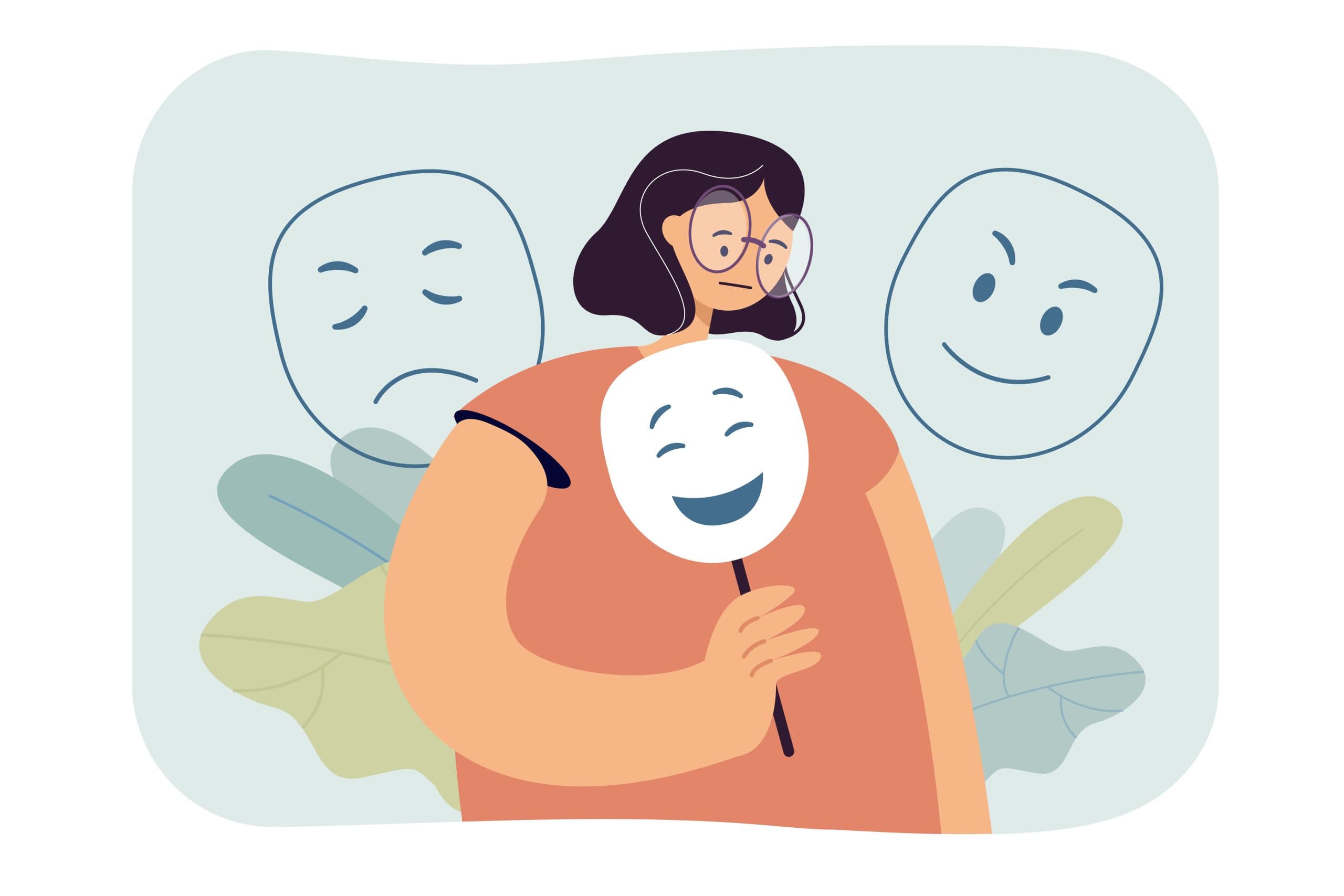
These gestures often indicate what we are really feeling regardless of what we may be saying. A person may say he/she is okay while crossing his/her arms and avoiding eye contact with us indicates otherwise. Understanding how to interpret these gestures from other people and control them from ourselves enhances our communication skills.
Common Body Language Examples You Should Know
There are some body language cues that are consistent regardless of the cultural setting. When the palms are open, it shows sincerity and honesty, while clenching the fists indicates that the individual is feeling stressed or angry. When a person leans forward while communicating, it is a sign that he/she is attentive.
The expressions on our faces convey strong emotions. A smile that reaches the eyes is a genuine smile. An individual who raises his/her eyebrows is indicating surprise or skepticism. Lips that are pulled tight usually indicate that the individual is not pleased or is holding back some information. The face reveals emotion even when we try to hide it.
The significance of making eye contact is determined by culture. However, in most instances, it is considered a sign of attentiveness and self-confidence. Making too much eye contact may be viewed as rude or dishonest, depending on the cultural setting.
Body position conveys a lot about how we feel on the inside. People who have their back straight, sitting up and with shoulder backs are usually very confident and alert. On the contrary, if they sit slouched and hunched, then they lack confidence and even have low energy.
How Body Language Affects Confidence
The interconnection between body language and confidence is reciprocal because those who feel confident tend to have expansive body language. But there is proof that if we consciously change our body language into more confident posture, we will feel more confident. When we have our shoulders back, it gives an impression to our brains that we are competent and confident.
This process is referred to as “embodied cognition,” which means that what happens physically affects us psychologically too. Adopting these body positions decreases levels of stress hormone and enhances confidence prior to any meeting. On the other hand, having closed body language sends signals not only to others that we are less confident, but also influences our confidence level.
Negative Body Language Signs to Avoid
There are some nonverbal behaviors that have negative effects on effective communication. Crossed arms mean that there is a barrier, which may indicate defensiveness or closed-mindedness. Moving your hands around by tapping your feet or constantly touching your hair or face indicates nervousness.
Not making eye contact makes the listener feel like you are not sincere or interested, regardless of whether this is the case. Looking down at your cell phone during a conversation clearly shows that the listener is not important enough to make eye contact with.
Encroaching on someone’s personal space or standing too far away may make them feel uncomfortable. This will affect the effectiveness of communication.
Positive Body Language for Better Communication

Positive nonverbal communication will improve your relationships with other people and positively affect your self-perception. It involves having an open posture, where your arms and legs are not crossed. You should maintain eye contact without staring into their eyes.
Use hand gestures while communicating as they will give you a lively feel. Nod sometimes when listening as it will show you have been paying attention. Try mirroring the body language of the person you are conversing with; it will build up rapport.
If possible, try smiling at the right time. Smiling is very catchy, and people usually love those who smile. Have good posture when standing or sitting.
How Therapy Can Help With Body Language and Confidence
Where anxiety disorders, low self-esteem, or social struggles prevent you from using confident body language, therapy can assist you in working through the causes that impact how you portray yourself to the world. Therapists help you increase your true confidence, work through your social anxieties, improve your communication, both verbal and nonverbal, and learn how your emotions manifest physically.
Therapy provides a safe space for you to practice new skills and determine why you are not able to express your confident self.
Takeaway
Many times, we do not realize just how much we communicate to one another without even speaking a word. Body language is an essential part of all face-to-face interactions, determining our ability to connect with others. Our body language can either complement or negate our words.
If you lack confidence, get easily intimidated by social settings, and have trouble reading body language, therapy can greatly assist you in these areas. Connect with a therapist who can guide you through developing your verbal and non-verbal communication skills, self-awareness, and confidence, giving you the presence to communicate authentically with those around you.
Your body is always communicating. Learning its language and learning how to use it strategically changes everything about your interactions and your understanding of yourself.
- Need support? Start your care journey by booking a confidential therapy session and accessing daily journaling and wellness check-ins through the Blueroomcare App.
- Looking for more guidance? Explore our blog for more mental health tips.
Found this helpful?
Share this article with others who might benefit