Blueroomcare
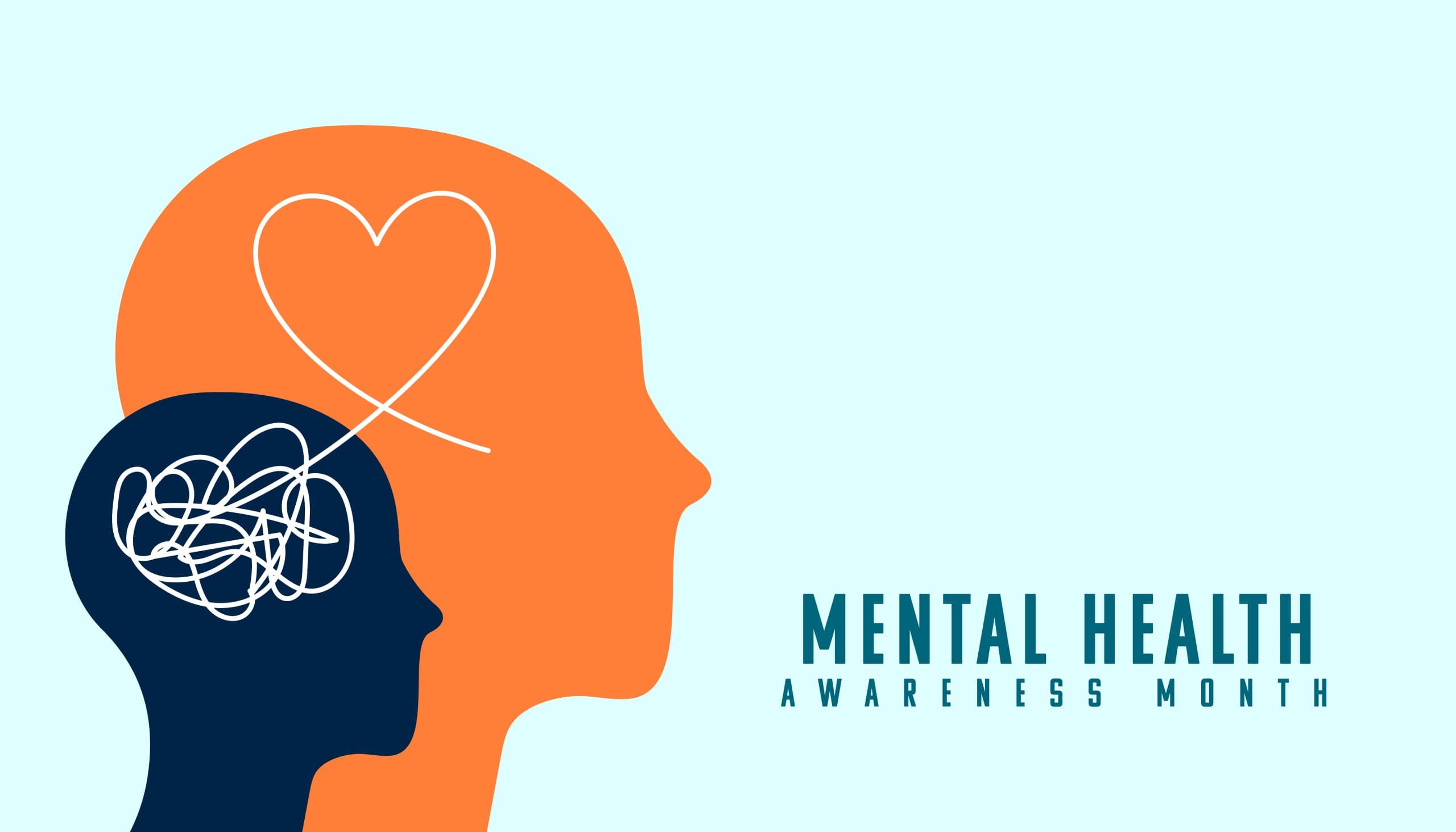
Mental health stigma in Africa continues to prevent millions of people from seeking help, forcing many to suffer in silence because of fear, discrimination, and judgment. This stigma prevents them from taking advantage of such services. This mental health stigma in Africa is a key reason why people continue suffering in silence, as they are reluctant to pursue mental health care out of fear of being discriminated against or treated badly for doing so.
It is necessary to understand how this stigma works and why it occurs so that it can be eliminated.
What Is Mental Health Stigma?
Mental health stigma can be defined as any negative attitude, belief, or stereotype regarding individuals living with mental disorders that results in discrimination, embarrassment, shame, and even ostracization. Such stigma in Africa takes many forms. It could manifest itself by portraying mental illness as spiritual curses or demonic possession instead of an actual disorder, by viewing mental disorders as evidence of personal weakness, bad morals, or flawed character, by treating those struggling with their mental well-being as threats to themselves and others, and by deeming mental illnesses shameful.
Such stigmatizing attitudes result in creating a situation where individuals suffering from depression, anxiety, bipolar disorders, and other types of mental problems are reluctant to reach out because they may be met with ridicule, ostracization, and negative social repercussions.
Why is Mental Health Stigma so Strong in Africa?
There are several reasons why the stigma associated with mental health persists in Africa and continues to affect millions of individuals.
Cultural/Traditional Views
Many African cultures have traditionally perceived mental problems as being of spiritual nature. Curses, witchcraft, or even punishment for wrongdoings were thought to cause such disorders, despite such perceptions being firmly grounded in cultural history. The main problem with such traditional views is that mental illnesses become seen as issues which require not medical but spiritual assistance.
Lack of Knowledge
When mental illnesses are not explained properly, they remain mysterious and frightening for people. Therefore, most people are not aware that mental disorders can be caused by a number of medical and biological factors.
Religious Views
Although faith plays an important role in the lives of many Africans, religious perceptions of mental disorders tend to view the symptoms of such problems as lack of faith or spiritual power.
Colonialism and Healthcare Infrastructure
While colonial administrations did not always prioritize the infrastructure for mental well-being, many nations in Africa still lack adequate mental health services. This lack perpetuates the misconception that mental health is neither important nor real.
Economic and Social Pressures
For individuals living in impoverished, unstable, or conflict-ridden societies, mental health problems can appear unimportant or even frivolous. The pressures and struggles that such environments create may lead people to consider discussing their mental challenges a sign of weakness.
The Devastating Impact of Mental Health Stigma
Mental health stigma does more than damage a person’s self-respect. Those experiencing mental illnesses do not receive treatment or fail to seek help, leading to a worsening of conditions and, at times, mental health crises.
Individuals with mental disorders hide them from friends and families, depriving themselves of opportunities to seek medical assistance. In addition to suffering in silence, people are subjected to discrimination at work and school and may become socially isolated, fall into poverty, and even commit suicide. Nations miss out on the talents of their citizens, who suffer due to stigmatization.
How Change Happens: Breaking the Silence

Challenging stigma in mental health requires joint effort across several fronts. Education is key; it involves ensuring people learn that having a mental disorder does not mean one is defective morally or spiritually but rather that it is an illness that should be taken seriously. Schools, religions, workplaces, and media outlets have a vital role in helping to educate people on mental illnesses.
It is essential to have honest conversations regarding mental illnesses. Sharing stories about people’s mental challenges helps fight myths and misconceptions. Having prominent people within the African community talk freely about mental illnesses goes a long way in creating the much-needed open conversation.
Access to services shows people that mental health interventions work. With many people accessing services such as therapy from online websites like Blueroomcare in Africa, people are seeing the effectiveness of professional intervention measures, and thus skepticism declines.
Lastly, the language used when talking about people suffering from any mental conditions should not demean them but instead encourage positive discourse.
Your Part in Ending Stigma About Mental Health in Africa
All individuals have the potential to reduce the stigma around mental health issues. Take time to learn more about mental health disorders, and spread the knowledge when necessary to correct wrong beliefs.
Discussing mental health issues will reduce the secrecy and embarrassment around the subject. When you hear stigmatizing remarks, refute them calmly using the truth. Support those around you who are suffering by accepting them unconditionally. Work towards getting mental health facilities in your area. Make it common to seek therapy like you would do to visit a doctor.
Takeaway
Stigma against mental health issues cannot be solved immediately in Africa, but every discussion, every individual who is seeking professional help and every myth that is being disputed moves the continent closer to a world where everyone stops suffering in secret out of fear of being discriminated against rather than their mental health problems.
- Need support? Start your care journey by booking a confidential therapy session and accessing daily journaling and wellness check-ins through the Blueroomcare App.
- Looking for more guidance? Explore our blog for more mental health tips.
Found this helpful?
Share this article with others who might benefit