 Blueroomcare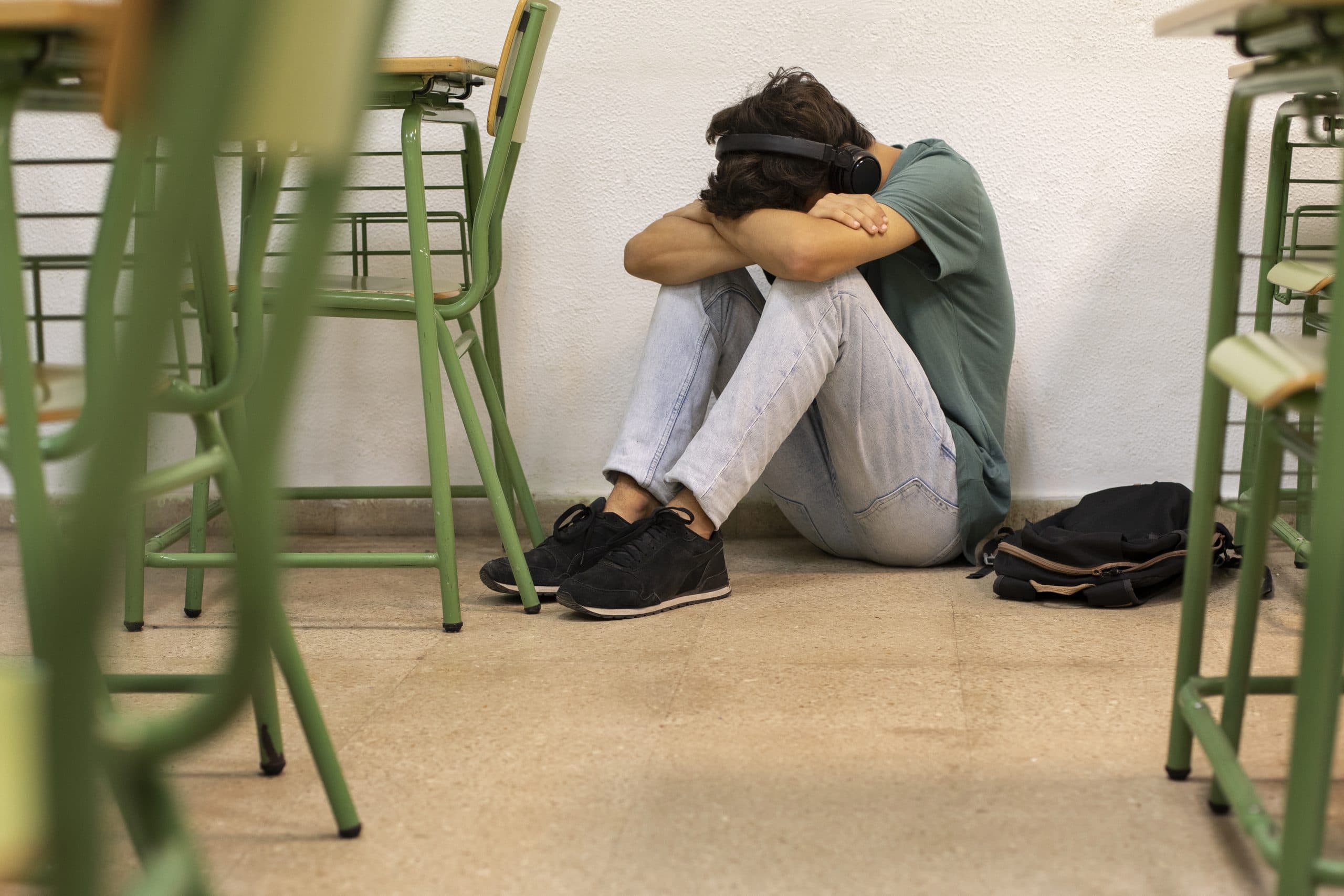
Bullying can be described as aggressive actions taken by school-aged children against others. Signs your child is being bullied are not always obvious, but recognizing them early can protect your child’s mental health and well-being. It usually involves a power difference and can manifest in physical, verbal or psychological attacks and behaviors that are repeated over time.
Recent studies have shown that around 20% of students become victims of bullying within the duration of their schooling. In Nigeria, this figure has been noted to be significantly higher in schools where there are no effective anti-bullying policies. Repeated bullying can result in a number of issues for the victim such as behavioral problems, depression, poor performance in studies, and deteriorating personal relationships with parents or friends.
It is often difficult for many children who have been bullied to speak about it because of the fear of reprisals and humiliation, as well as the feeling that nothing can really be done. Recognizing these symptoms and learning what you should do will prevent future problems and ensure their well-being.
Recognizing Signs Your Child Is Being Bullied
For parents, it is easy to miss the early signs your child is being bullied because children are unlikely to tell you directly that they’re being bullied. However, there are certain signs you should keep an eye out for such as unexplained bodily harm or damage to their personal property, unwillingness to go to school, poor academic results, lack of appetite and frequent complaints about stomachache and headaches prior to attending school, inability to sleep and nightmares, becoming withdrawn and antisocial, and bringing home missing things or asking for extra pocket money without giving an explanation.
Another aspect of bullying in the modern world is cyberbullying. Be suspicious if your child looks upset after having been online, shows an uncharacteristic interest in ceasing using social networks and seems too secretive about what he or she does online.
Impact of Bullying on a Child’s Mental Health
The effects of bullying on a child’s mental state are significant and can have lasting repercussions even when the bullying itself stops. Children who face being bullied tend to experience anxiety and depression, lowered self-esteem and negative self-image, difficulty concentrating resulting in problems at school, antisocial tendencies, physical symptoms like headaches and stomachaches not linked to any illness, and suicidal thoughts in extreme cases.
Ignoring the signs your child is being bullied can lead to long-term emotional and psychological effects. According to UNICEF, the impacts of bullying do not fade away because studies show that children who suffer prolonged bullying have higher risks of developing various mental health disorders as adults. It is vital to intervene early to prevent the development of psychological problems.
How to Help Your Bullied Child: Practical Steps

Be an Excellent Listener
Avoid rushing to problem-solving mode or telling your child that everything is fine right away. Instead, pay attention, empathize, and let your child know that he or she is not responsible for the bullying. Children who are bullied usually feel like it was their fault.
Document Everything
Make sure to write down all details related to bullying incidents: dates, time, description, individuals involved, and witnesses. Documentation plays an important role in reporting bullying to school officials and, if necessary, police.
Involve the School
Arrange a meeting where you will share information and ask for the development of an action plan from the school’s teachers, counselors, and administrators. Although Nigerian schools may differ in their anti-bullying policies, parental advocacy makes an impact.
Do Not Advise to Fight Back
The tendency of parents is to tell their child to “get back” at the bully. However, it rarely helps because retaliating physically usually leads to punishment.
Teach Coping Mechanisms
Teach your kid how to cope with bullying. Teach him or her to walk away confidently, speak assertively without being aggressive, ask for assistance from trusted people, and surround himself or herself with supportive peers.
Can Therapy Help My Bullied Child?

Professional support is vital for your bullied child’s healing process. Therapists will help kids cope with bullying and build confidence after the traumatic experience. They will also teach kids how to cope with negative emotions and anxiety, as well as learn social skills.
If the signs your child is being bullied persist, professional support may be necessary. Blueroomcare is an online platform that offers therapeutic treatment for bullied children.
Online therapy may be effective for children who find themselves in awkward positions and feel ashamed of what happened to them. This way, kids can get professional help from their homes.
Takeaway
Recognizing the signs your child is being bullied early can make all the difference. Bullying at school is not some inevitable part of childhood when kids should toughen up. The impact of bullying on mental health is real, and we can measure its negative effects on children. You have to treat your child’s experience seriously and fight for him or her.
If you think that your child might be getting bullied, you must go with your gut instinct. There must be some reasons why you feel that way. It is important that you act fast, collect evidence, convey your concerns to the relevant people at school, and do not shy away from seeking help.
- Need support for your child? Start your child’s care journey by booking a confidential therapy session and accessing daily journaling and wellness check-ins through the Blueroomcare App.
- Looking for more guidance? Explore our blog for more mental health tips.
Found this helpful?
Share this article with others who might benefit
