Blueroomcare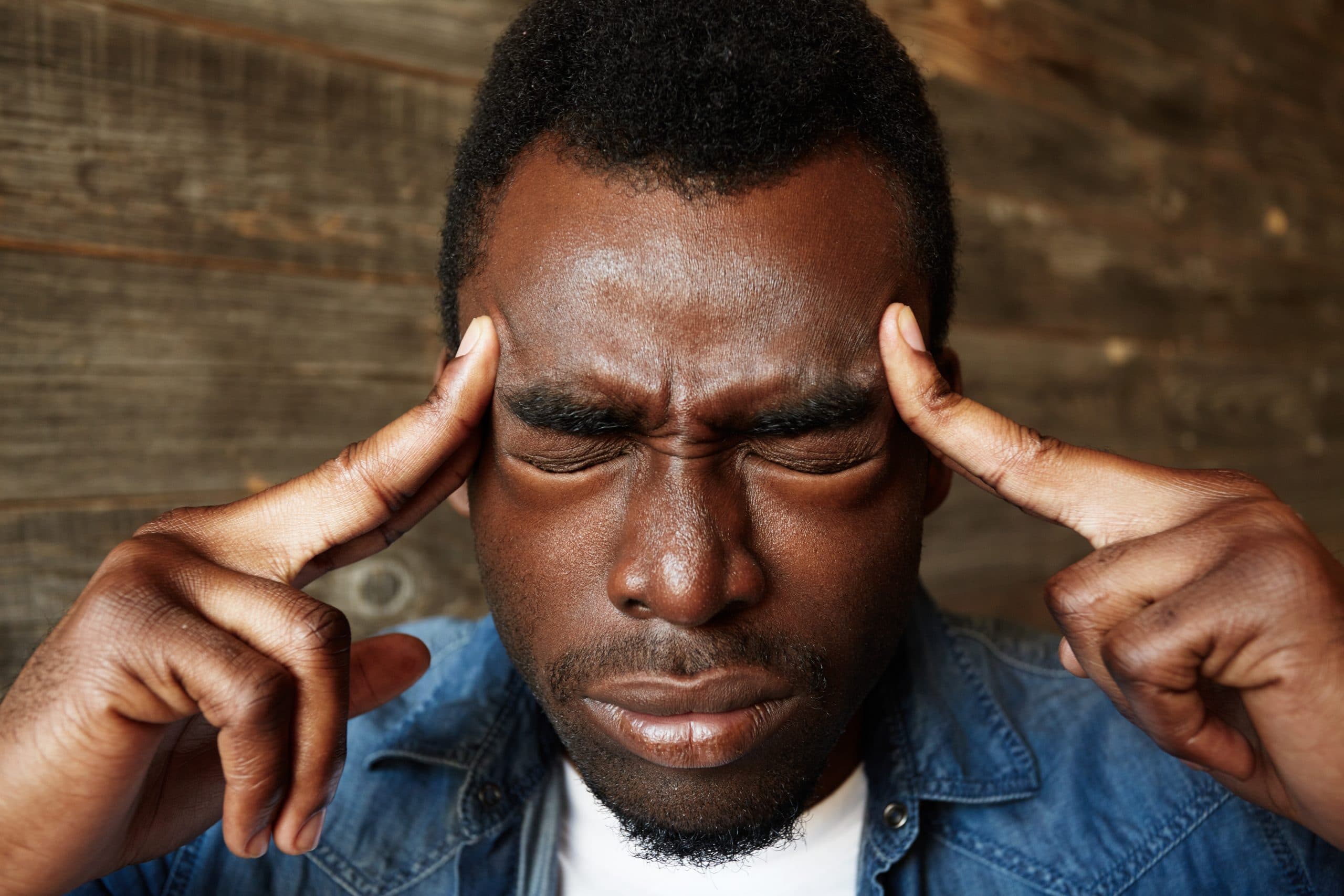
Emotional dysregulation is a condition that makes it difficult to manage emotions in a healthy way. While many people assume emotional reactions are simply a matter of self-control, emotional dysregulation is rooted in the way the brain processes and regulates emotions. What most people think is that when someone has a hard time controlling their emotions, it means that they are over-reacting, and if they just put in more effort, they would be okay.
But that’s not the case, and this has much more to do with the way that our brains are wired. In fact, there is an actual clinical term for what you might be suffering from; it is called emotional dysregulation. This could tell you a lot more than anything else about your interactions with others.
What Is Emotional Dysregulation?
Emotional dysregulation is the inability to regulate the nature, magnitude, or length of one’s emotions. It does not refer to experiencing emotions profoundly; that is something every human being experiences. It refers to the fact that one’s emotions often seem inappropriate for what prompted them, come unexpectedly and suddenly, and take much too long to settle down after.
Some individuals have emotional dysregulation that results in explosive anger, from nothing more than an inconvenience that others can hardly perceive. Some experience emotional dysregulation in the form of spiraling anxiety following a relatively small setback, uncontrollable tears without any apparent cause, or emotional numbing; a kind of emotional shutdown that renders them incapable of feeling anything. Both ends of the spectrum are forms of dysregulation.
Emotional Dysregulation Symptoms
It is difficult to spot within oneself since it is just the way one perceives life. The symptoms that can be used to identify it include having an intense reaction to perceived rejection or criticism such that the distress feels completely valid at the time but is difficult for other people to understand. Being overwhelmed by emotions such that it becomes hard for one to think or make decisions.
Having difficulty calming down from an upsetting situation that may take many hours or even days whereas the rest of the people move on much quicker. Making rash actions due to the need to run away from the unpleasant emotions of spending too much money, eating too much, isolating oneself, or speaking things that one will regret later.
What Causes Emotional Dysregulation?
Emotional dysregulation is not a personality flaw; it is caused by specific factors, which usually have to do with neuroscience and developmental psychology.
The essence of emotional dysregulation is the interaction between two brain structures: amygdala, the part responsible for perceiving threats and reacting emotionally, and the prefrontal cortex, the part responsible for putting reason and logic behind our emotions. In case the amygdala is overactive or prefrontal cortex is underactive or their interaction is blocked, emotions take control, leaving no time for reasoning.
There are several psychological disorders or conditions that are often connected with such interaction. One of them is childhood trauma: when children grow up surrounded by fear, neglect or uncertainty, their brain learns to be always ready for something dangerous, making the nervous system hyperactive for many years after that.
Another example is the Borderline Personality Disorder (BPD): characterized by fast mood changes, fear of abandonment and unstable relationships, it is based on emotional dysregulation. One more disorder associated with emotional dysregulation is Attention Deficit Hyperactivity Disorder (ADHD), especially in adults. Other causes of emotional dysregulation include anxiety disorders, complex PTSD, and insecure attachment styles formed during early years of one’s life.
It should be noted that there are people suffering from emotional dysregulation even though none of these conditions is present in them. Their past events, stress, absence of any models of emotional behaviour during childhood, and hypersensitivity of their nervous systems may be the reasons, even without mentioning a certain condition.
Emotional Dysregulation Treatment
Yes, indeed and this is an essential factor. Emotional dysregulation is a pattern which can be changed if it is necessary.
Dialectical Behavior Therapy (DBT) was created especially to assist those who suffer from emotional dysregulation. It includes four skill domains; mindfulness, distress tolerance, emotion regulation and interpersonal effectiveness. Cognitive Behavioral Therapy (CBT) is also quite effective for dealing with such issues, especially when it comes to challenging negative thinking styles.

If all your life you have felt that your emotions are more powerful than everyone else’s emotions, or that you are always coming back from emotions that other people hardly feel, then therapy will help you find out why and create an alternative relationship with your emotions.
Blueroomcare provides you with licensed therapists from Nigeria who have been trained in emotion regulation techniques. You do not have to live at the mercy of your emotions anymore.
- Need support? Start your care journey by booking a confidential therapy session and accessing daily journaling and wellness check-ins through the Blueroomcare App.
- Looking for more guidance? Explore our blog for more mental health tips.
Sources:
Found this helpful?
Share this article with others who might benefit