Blueroomcare
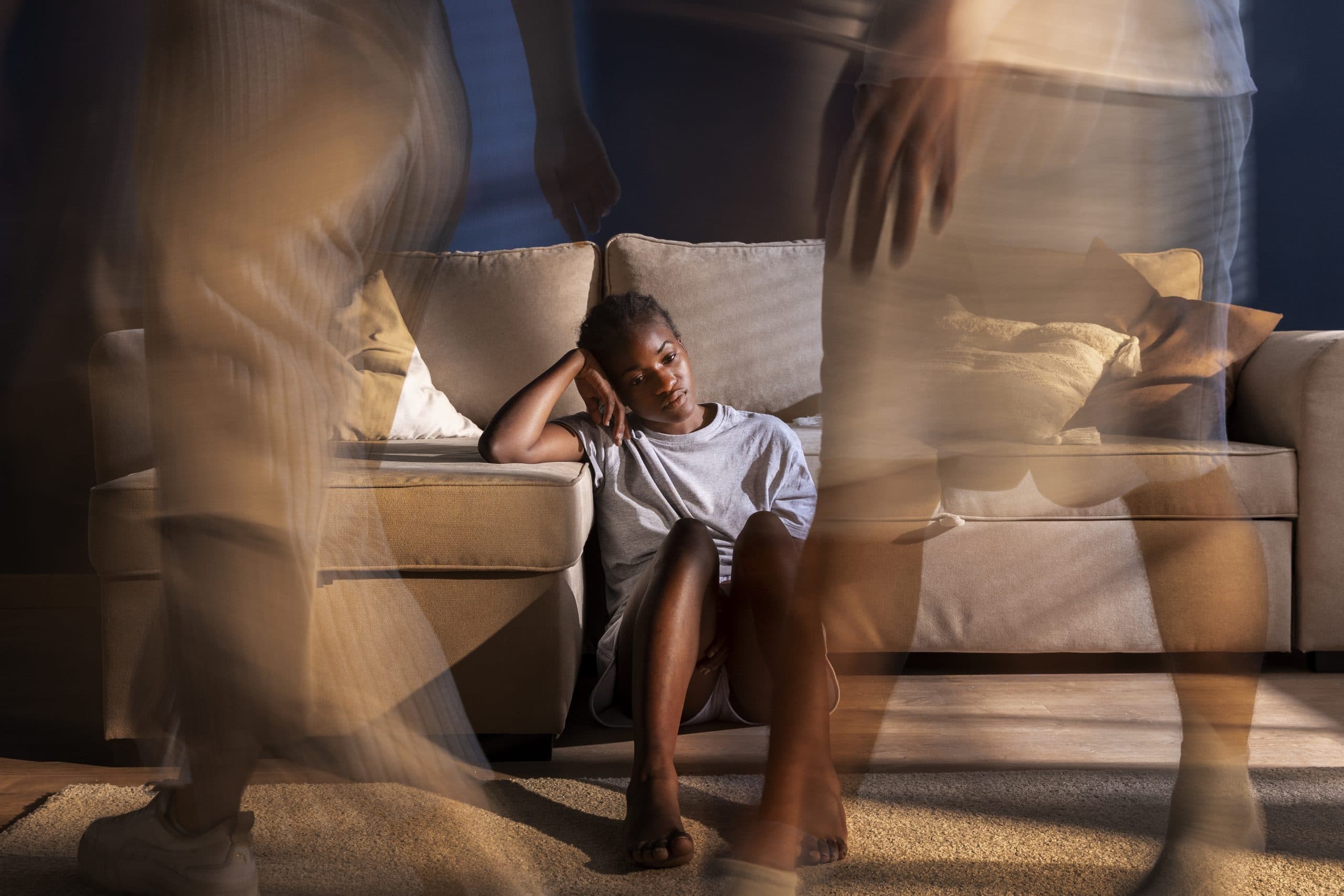
Social anxiety disorder, also known as social phobia, is a mental health condition that causes intense feelings of anxiety and fear in social situations. People with social anxiety disorder may feel extremely self-conscious and anxious in social settings, leading them to avoid or endure these situations with great discomfort.
Symptoms of social anxiety disorder may include:
- Excessive self-consciousness and fear of being judged or evaluated by others
- Extreme anxiety or panic in social situations, even when meeting new people or talking to friends
- Difficulty making small talk or engaging in conversations
- Difficulty making eye contact or speaking in front of others
- Physical symptoms such as blushing, sweating, or trembling
- Avoiding social situations or activities that could lead to embarrassment
Social anxiety disorder is different from shyness or introversion. While everyone may feel anxious in social situations from time to time, people with social anxiety disorder experience intense and persistent fear that is not proportional to the situation. This fear can significantly interfere with their daily lives and relationships.
The causes of social anxiety disorder are not fully understood, but it is thought to be a combination of genetic, environmental, and social factors. Some people may be more prone to social anxiety due to their genetic makeup, while others may develop it after experiencing social rejection or negative social experiences.
Treatment for social anxiety disorder usually involves therapy, medication, or a combination of both. Cognitive-behavioral therapy (CBT) is a type of therapy that can help people with social anxiety disorder learn coping strategies to manage their anxiety. Medications such as selective serotonin reuptake inhibitors (SSRIs) can also be helpful in reducing anxiety symptoms.
It’s important for people with a social anxiety disorder to seek help from a mental health professional. With the right treatment, people with social anxiety disorder can learn to manage their anxiety and lead fulfilling lives. If you or someone you know is struggling with social anxiety disorder, don’t hesitate to seek help. There are many resources available to support you on your journey to recovery.
For further help and support — Speak with a licensed therapist on the Blueroomcare App today.
The information on this page is not intended to be a substitution for diagnosis, treatment, or informed professional advice. You should not take any action or avoid taking any action without consulting with a qualified mental health professional. For more information, please read our Terms of use
Found this helpful?
Share this article with others who might benefit