Blueroomcare
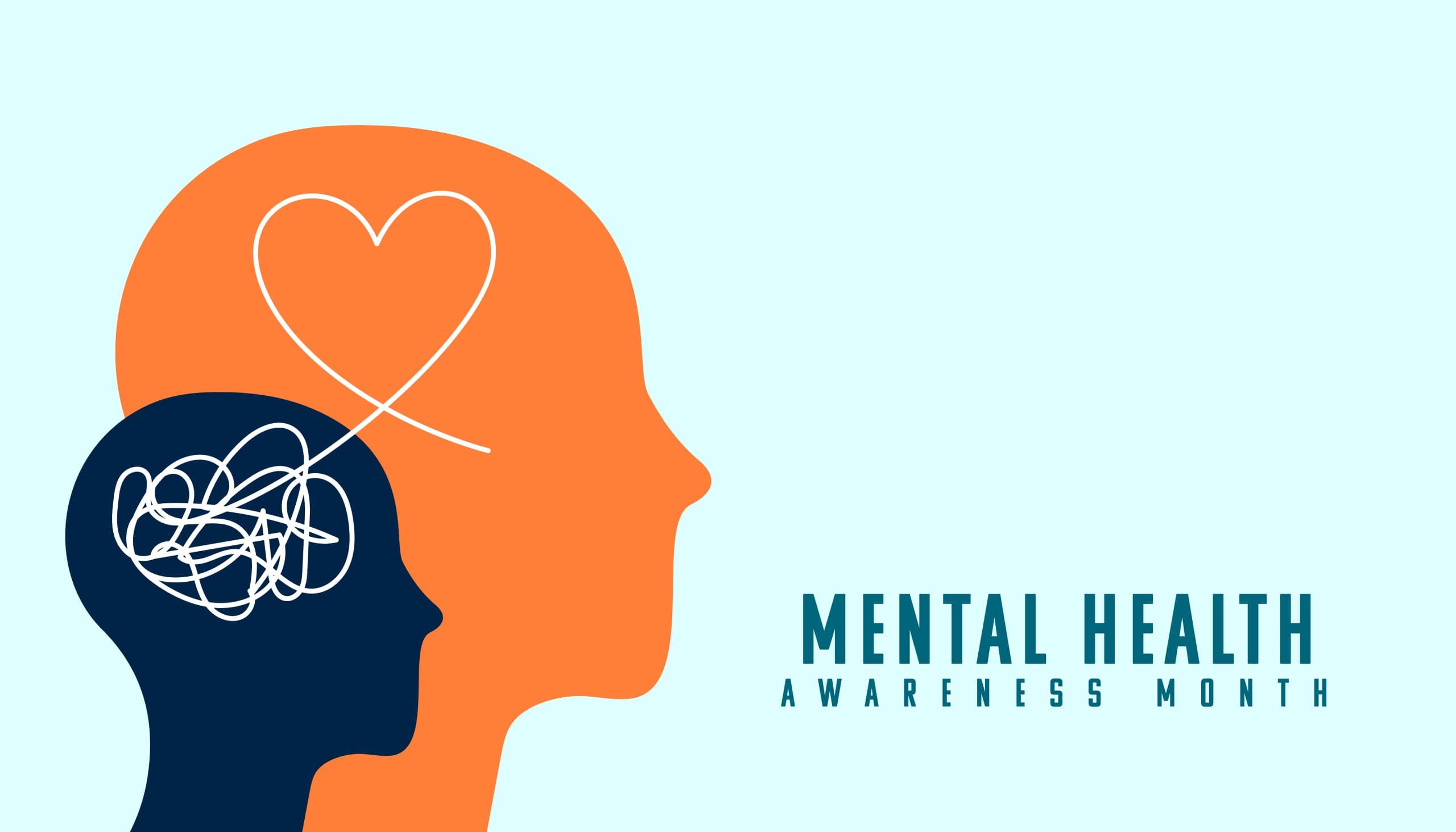
Mental health affects how we think, feel, cope with challenges, build relationships, and go about our everyday lives. Yet, it is often easier to talk about physical health than it is to talk about what is happening emotionally.
World Mental Health Day, observed every year on 10 October, is an opportunity to change that. The day raises awareness of mental health issues around the world and encourages action to make mental health support more accessible.
But mental health awareness should not stop after one day. It should be part of how we understand ourselves, support the people around us, and create healthier communities and workplaces.
What Is World Mental Health Day?
World Mental Health Day is a global awareness day observed on 10 October. It brings attention to mental health, challenges stigma, and encourages individuals, communities, organizations, and governments to take mental health seriously.
Each year, the campaign focuses on a particular aspect of mental health.
The 2026 World Mental Health Day theme is “Lived experiences heard: real voices, real change.” The World Health Organization is calling for people with lived experience of mental health conditions to have a meaningful role in shaping mental health policies, services, and decisions that affect them.
This goes beyond simply asking people to share their stories. It means listening to their experiences and allowing that knowledge to influence how mental health services are designed and delivered.
Why Is World Mental Health Day Important?
Mental health conditions can affect anyone, regardless of age, occupation, background, or financial situation. However, stigma can make it difficult for people to talk about what they are experiencing or seek professional support.
World Mental Health Day also creates an opportunity to strengthen mental health awareness and encourage people to seek support when they need it, and to have conversations that may otherwise be avoided.
It can also remind us that mental health is part of overall health. Looking after your mental wellbeing is not something you should only think about when you are experiencing a crisis.
What Does Mental Health Really Mean?
Mental health is more than the absence of a mental health condition.
It includes your emotional, psychological, and social wellbeing and can change throughout your life.
You might experience periods of stress, sadness, worry, grief, or emotional exhaustion without necessarily having a mental health disorder. At other times, these experiences may become persistent or begin interfering with your everyday life.
Paying attention to changes in how you feel and function can help you recognize when additional support may be useful.
What Are Some Signs You May Need Mental Health Support?
Everyone has difficult days, but some changes may be worth paying attention to.
You might consider seeking support if you are:
- Feeling persistently overwhelmed or emotionally exhausted
- Struggling to manage everyday responsibilities
- Experiencing ongoing anxiety or low mood
- Withdrawing from people or activities you usually enjoy
- Having difficulty sleeping or concentrating
- Finding it difficult to cope with a major life change
- Experiencing thoughts or feelings that are becoming difficult to manage on your own
You do not have to wait until your situation becomes severe before talking to a mental health professional.
How Can You Support Your Mental Health?
There is no single approach that works for everyone, but some everyday habits can support your wellbeing.
Make time for meaningful relationships and activities that help you feel connected. Get enough rest, stay physically active where possible, and give yourself opportunities to take breaks from ongoing demands.
It can also help to recognize your limits. Setting boundaries, asking for help, and saying no when you do not have the capacity for something are all ways of protecting your wellbeing.
Most importantly, don’t be afraid to seek professional support when you need it.
How Can We Support Someone Struggling With Their Mental Health?

Supporting someone’s mental health does not mean having all the answers.
Sometimes, simply noticing that someone seems different and asking how they are doing can open the door to a conversation.
Listen without immediately judging or trying to fix the problem. Let them know that they do not have to deal with everything alone, and encourage them to seek professional support when appropriate.
If someone tells you they are struggling, take their concerns seriously.
Why Mental Health Support Matters in Nigeria
Mental health conversations are particularly important in Nigeria, where stigma, limited awareness, cost, and access to mental health services can create barriers to care.
Making mental health support more accessible means creating services that people can actually use and feel comfortable accessing.
It also means listening to people with lived experience and understanding the challenges they face when seeking care.
This year’s World Mental Health Day theme reinforces that point: people who have experienced mental health conditions have knowledge that can help improve the systems designed to support them.
What Can You Do for World Mental Health Day?
You do not need to organize a large campaign to participate.
You can use World Mental Health Day as an opportunity to:
- Learn more about mental health
- Check in with someone you care about
- Have an honest conversation about wellbeing
- Challenge harmful mental health stereotypes
- Share reliable mental health information
- Encourage someone to seek professional support
- Advocate for better mental health support in your workplace or community
For employers, it can also be an opportunity to review how employees access mental health support and consider whether workplace resources, including an Employee Assistance Program (EAP), are meeting their needs.
Mental Health Should Be Part of Everyday Life
World Mental Health Day gives us a reason to talk about mental health, but the conversation should continue long after 10 October. Mental health deserves attention throughout the year, not only when there is a campaign, a crisis, or a diagnosis.
Listening to people’s experiences, reducing stigma, making support easier to access, and creating spaces where people can speak honestly about their wellbeing are all part of building healthier communities.
This World Mental Health Day, listen to lived experiences, take mental health seriously, and remember that asking for support is a valid part of taking care of yourself.
- Need support? Start your care journey by booking a confidential therapy session and accessing daily journaling and wellness check-ins through the Blueroomcare App.
- Looking for more guidance? Explore our blog for more mental health tips.
Sources
Found this helpful?
Share this article with others who might benefit